
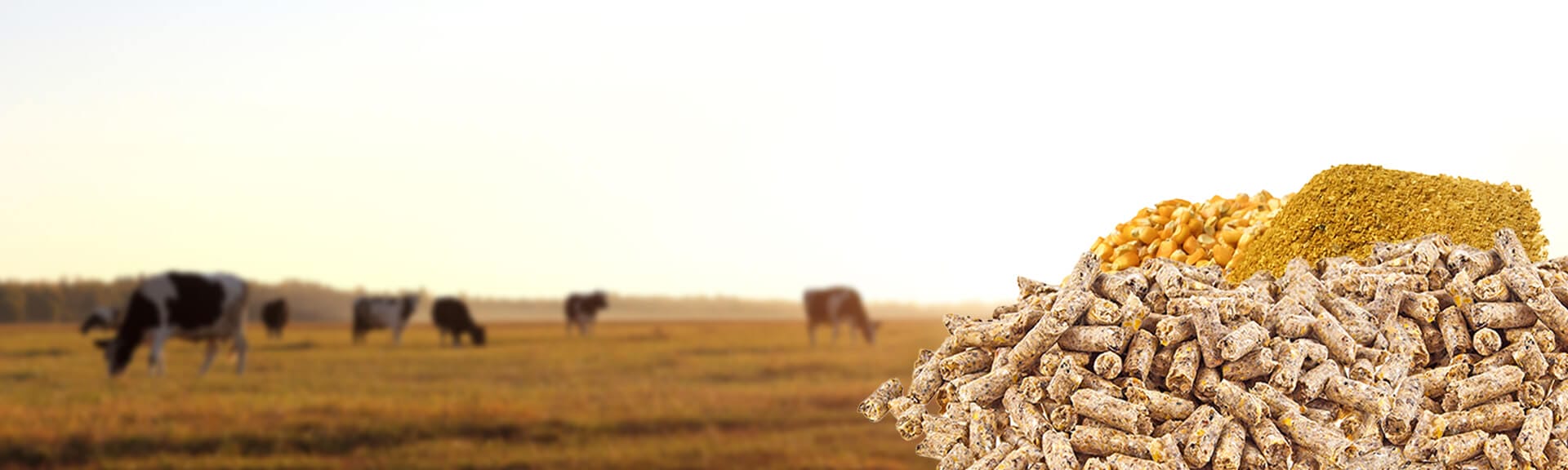
Improving Pellet Quality Through Consistent Particle Size
Material Preparation & Pellet Quality
Consistent pellet quality begins with consistent material preparation. Before material reaches the pellet mill, particle size directly influences how it flows, compresses, and forms during the pelleting process. When particle size varies too widely, operations can experience reduced pellet durability, excess fines, lower throughput, and unnecessary wear on downstream equipment.
Grinding and screening work together to create a more controlled, uniform feedstock by reducing oversized material and separating unwanted fines before pelleting begins. When these processes are properly aligned, manufacturers are able to improve pellet quality, support more efficient production, and maintain more consistent overall system performance.
The Material Preparation Process
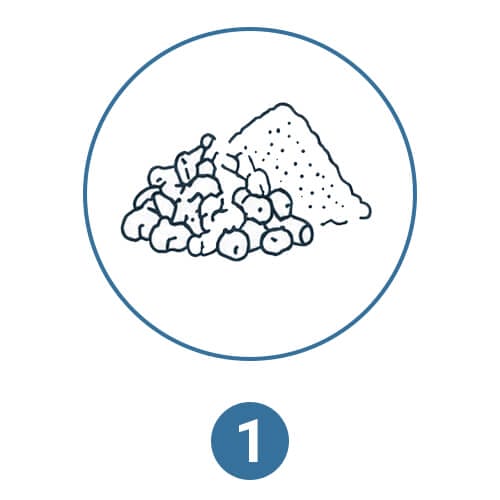
Raw Material
Incoming bulk material
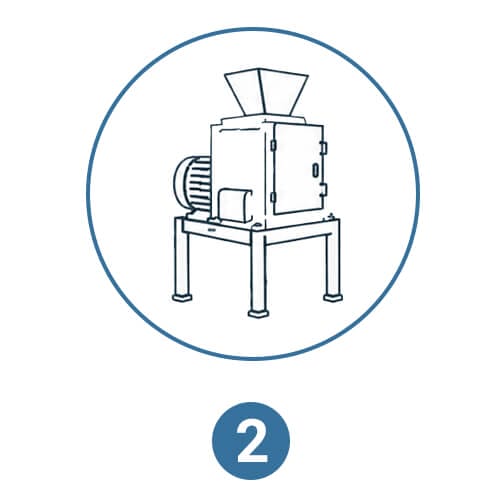
Grinding
Material size reduction
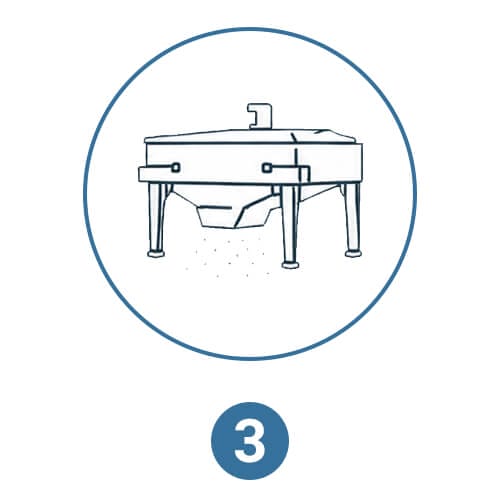
Screening
Remove oversize and fines
Pelleting
Consistent feedstock for pellet quality
Finished Product
High-quality, durable pellet
Why Particle Size Consistency Matters
Particle size plays a direct role in how material behaves during pelleting.
When material is too coarse or too fine—or inconsistent across batches—it can lead to:
- Poor pellet durability
- Increased fines and material waste
- Reduced production efficiency
- Higher energy consumption
- Additional strain on pellet mill components
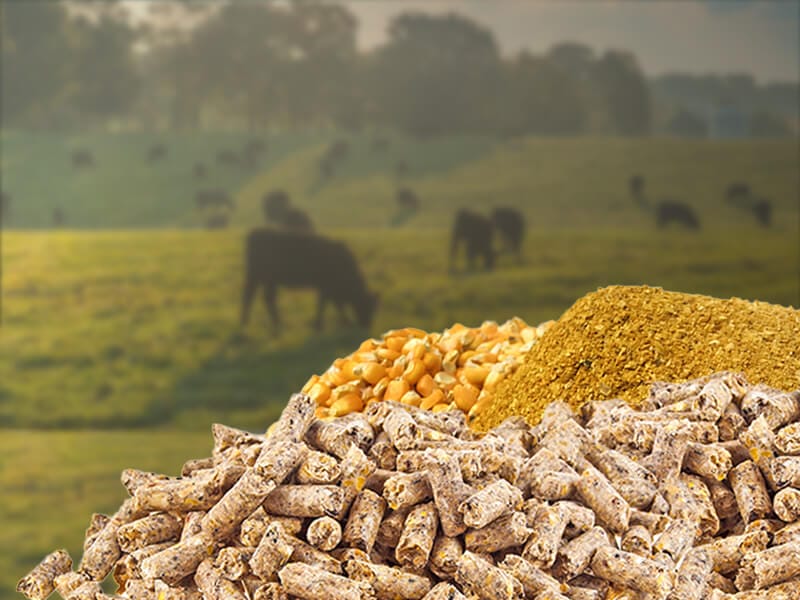
Consistent particle size helps material flow evenly through the pelleting process, improving compression, pellet uniformity, and overall production consistency.
The Role of Grinding in Material Preparation
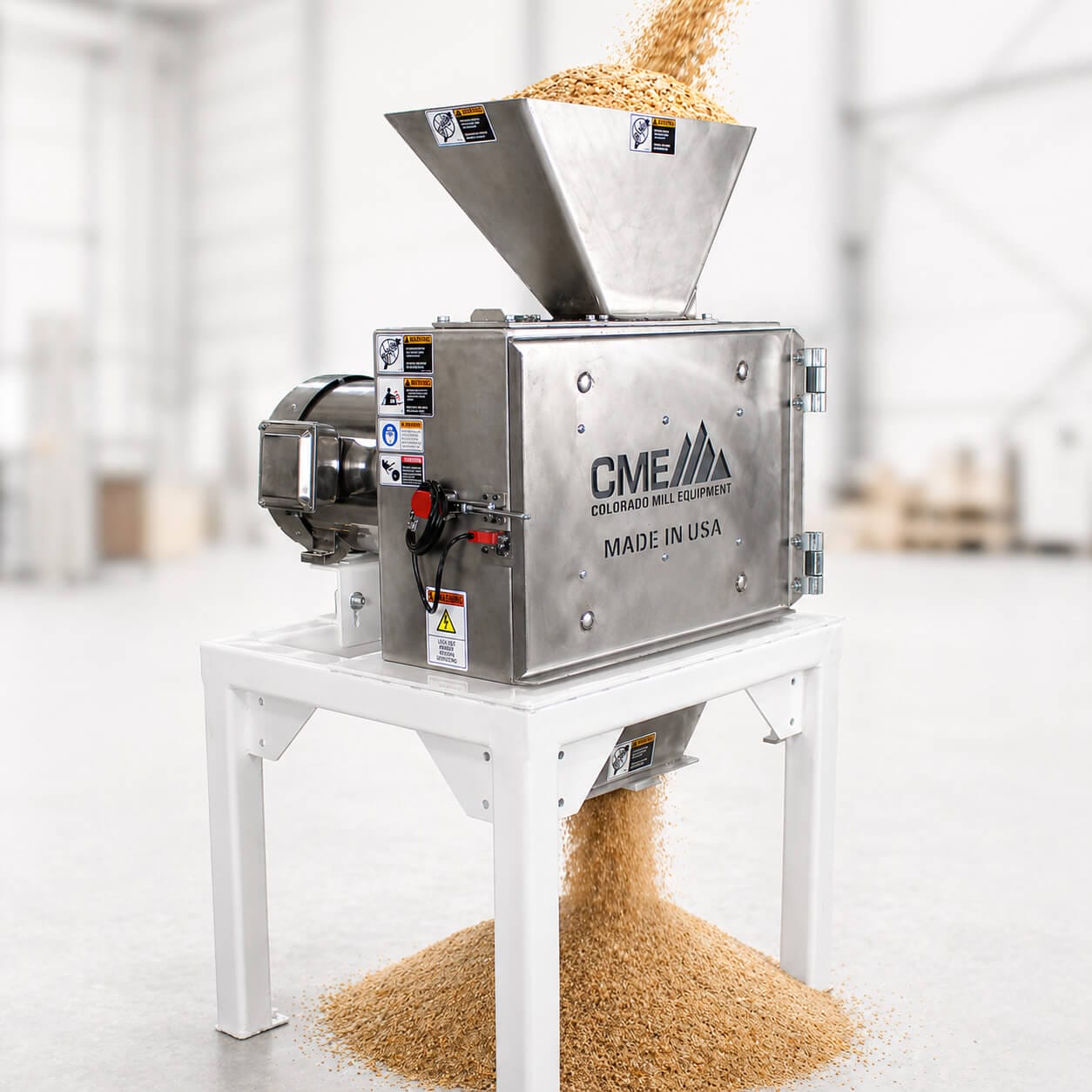
Grinding is the first step in controlling particle size.
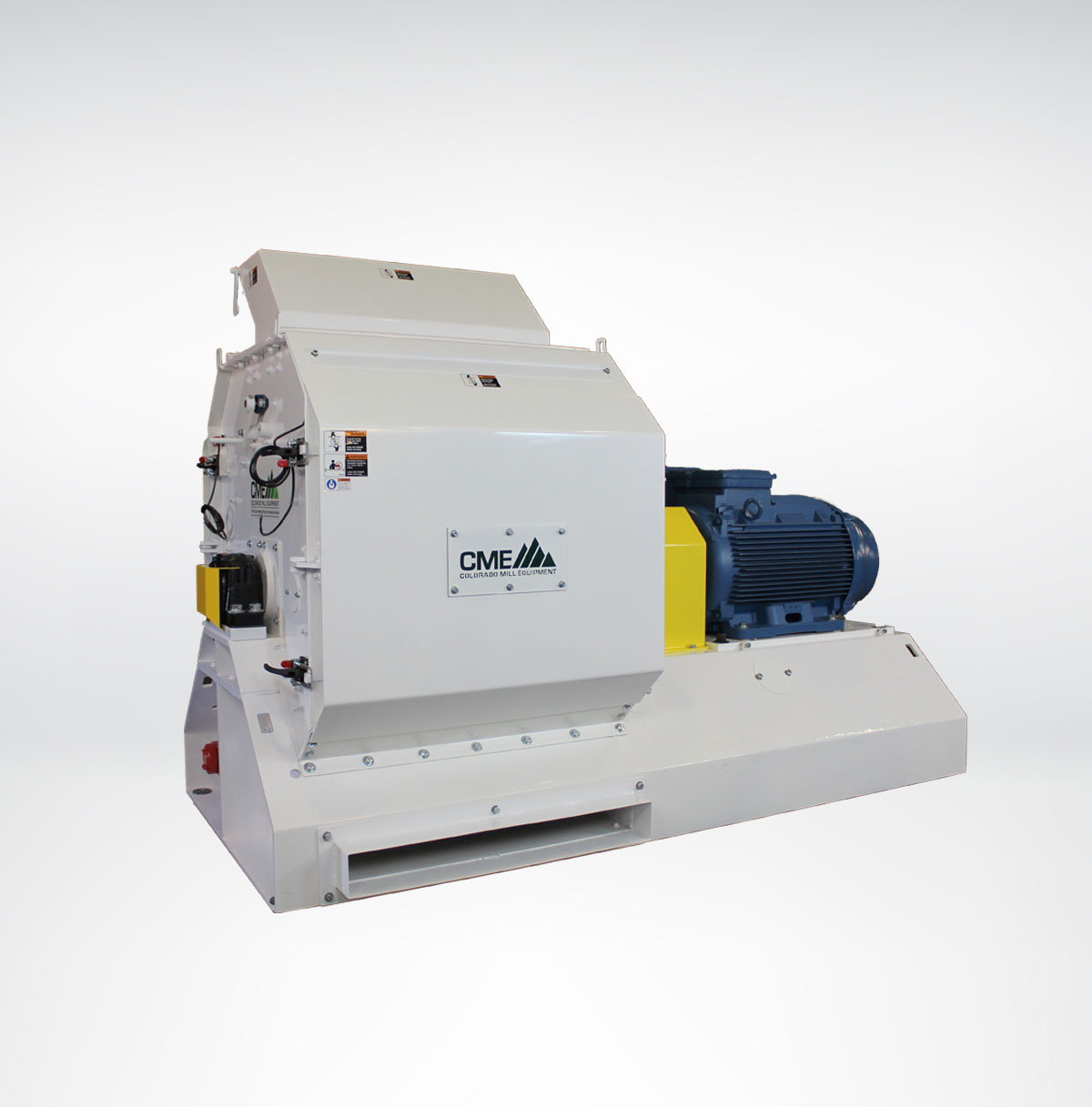
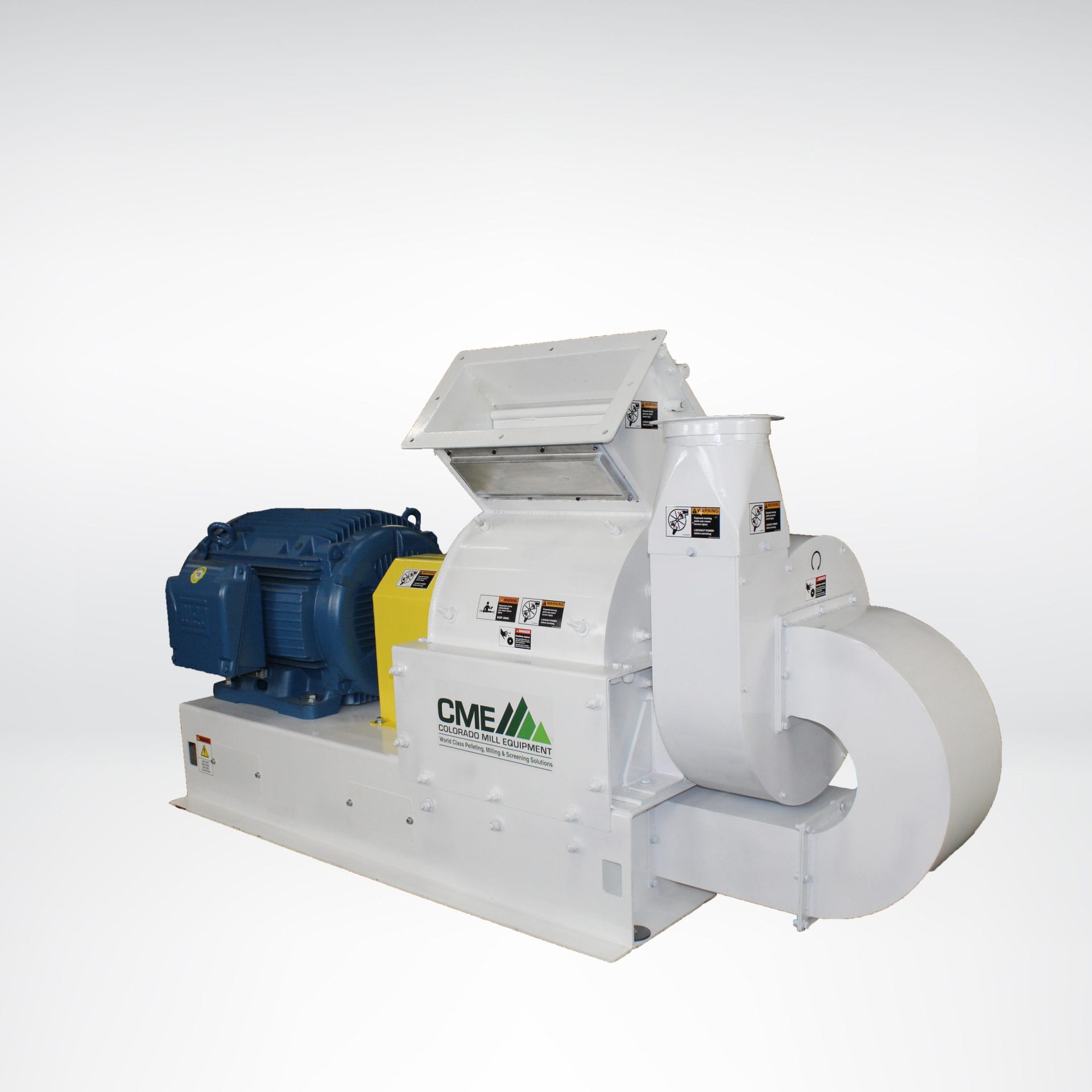
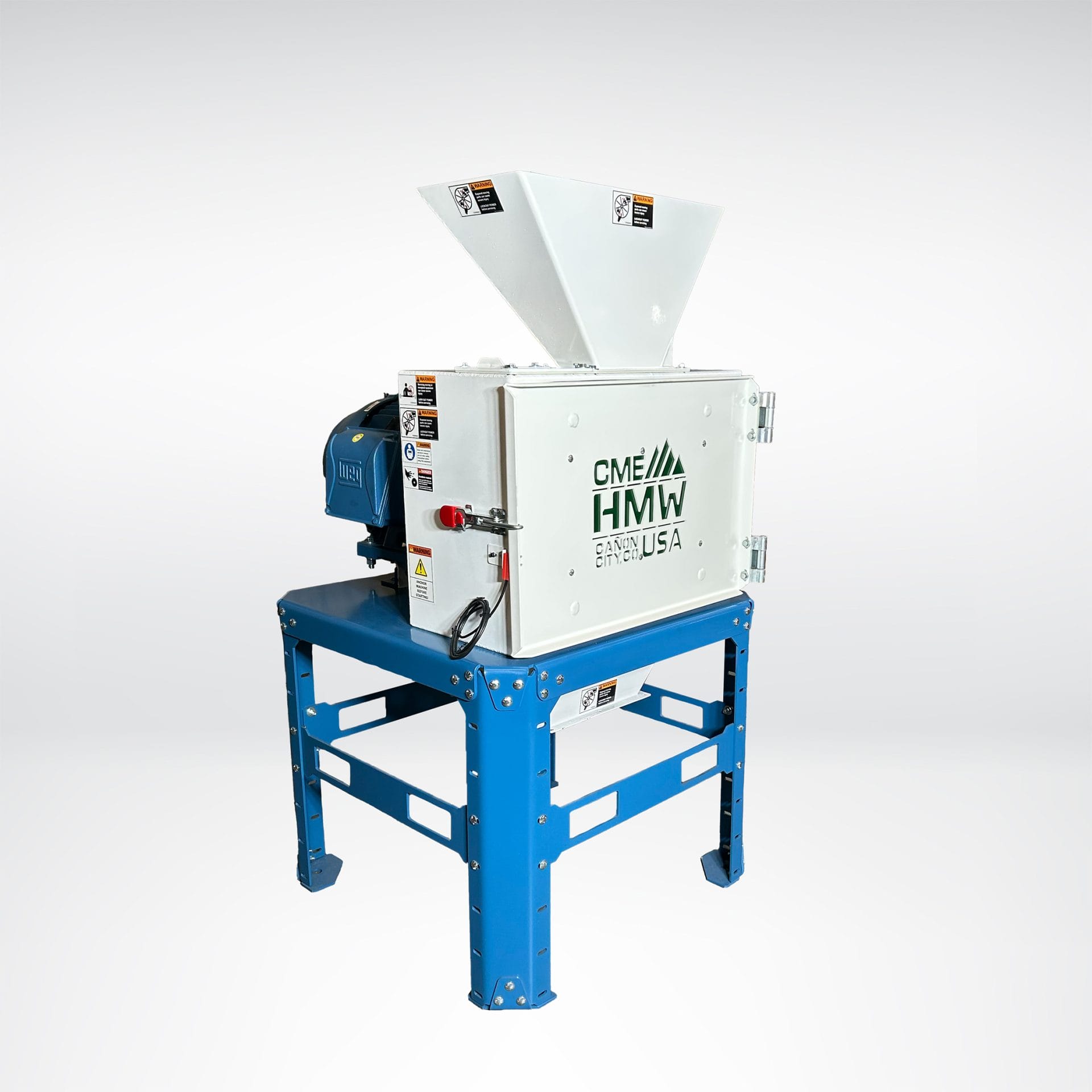
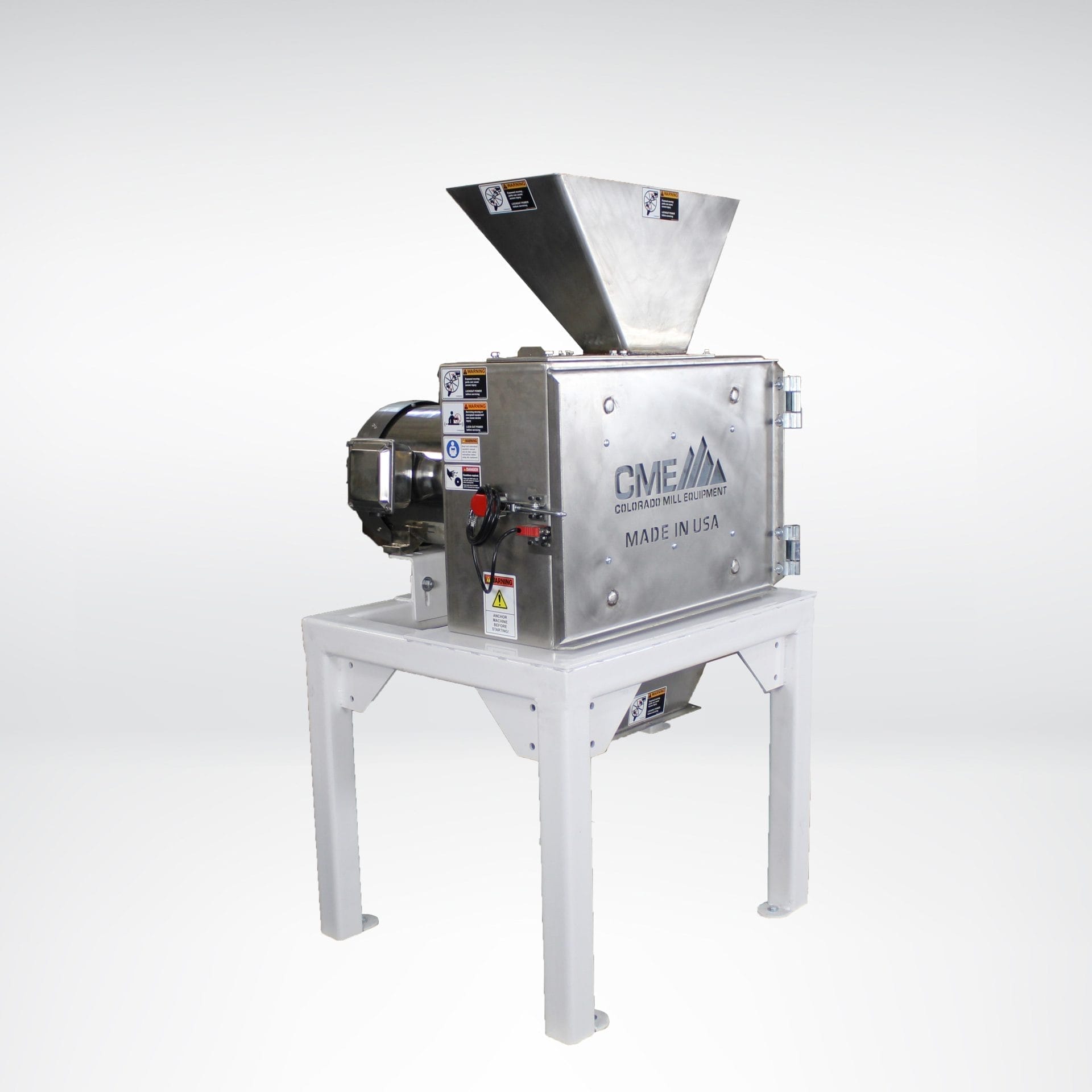
Hammer mills reduce raw material into a more uniform size, making it easier to process downstream. However, grinding alone does not guarantee consistency. Variation can occur due to differences in raw material, moisture content, screen selection, and feed rate.
Because of this, grinding should be viewed as the starting point—not the final step—in achieving consistent particle size. Learn more about CME’s hammer mill solutions and how they support reliable size reduction.
CME Hammer Mill Solutions

Where Screening Completes the Process
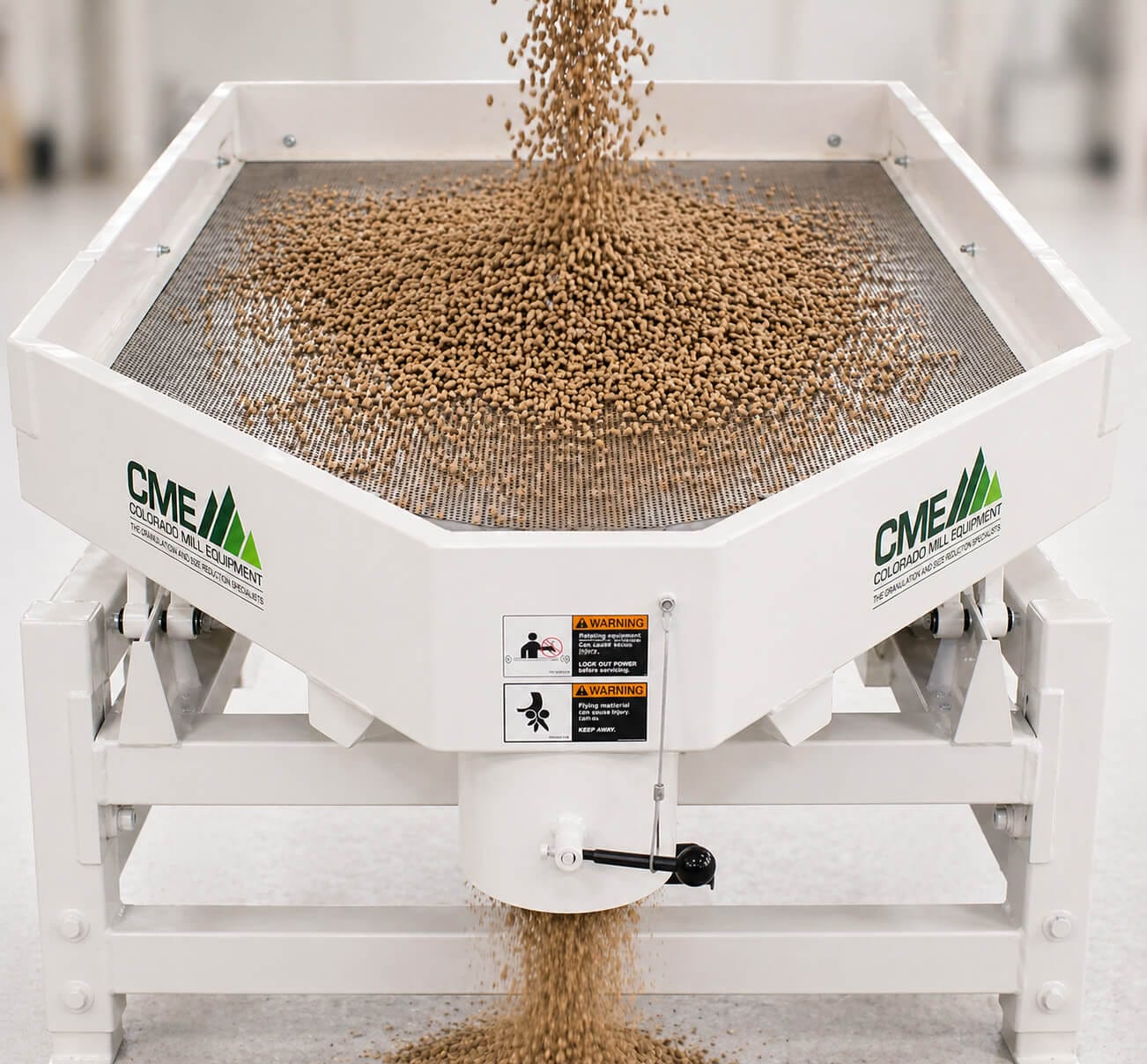
Screening helps maintain the consistent material profile needed for higher pellet quality and more predictable pellet formation.
After grinding, a screener helps refine the output by removing material that falls outside the desired range. This typically includes:
- Oversized particles that require further reduction
- Fines that can negatively impact pellet quality
By reducing this variation, screening creates a more controlled and consistent feedstock before it moves downstream. Explore CME’s screeners and sifters to see how screening supports consistent processing.
This step becomes especially important when:
- Material characteristics vary
- Tighter quality standards are required
- Downstream equipment performance is a priority
How Grinding and Screening Work Together
Grinding and screening are most effective when used together as part of a single process.
Grinding reduces material to a target range, while screening ensures that only properly sized particles continue forward. This creates a more stable and predictable input for downstream equipment, including the pellet mill systems used to form the final product.
Together these processes:
- Improve overall particle size uniformity
- Reduce reprocessing and material waste
- Stabilize material flow into the pellet mill
Instead of relying on a single step, this combined approach ensures material is properly prepared for consistent downstream performance.
The Impact on Pellet Quality and Efficiency
When particle size is consistent, the benefits extend across the entire operation:
- More uniform pellet formation
- Improved durability and strength
- Reduced downtime and adjustments
- More predictable throughput
Even small improvements in material preparation can have a measurable impact on overall system performance. In many operations, consistent grinding and screening are key steps in turning raw or waste material into a more valuable final product.
In one example, CME worked with a wood processing operation to convert residual material into a profitable pellet product—eliminating disposal costs and creating a new revenue stream.
Learn how CME helped transform waste into a profitable pellet operation.
Taking a System-Level Approach
Focusing on one machine often leads to missed opportunities.
Pellet quality and efficiency are not determined by the pellet mill alone—they are influenced by everything that comes before it. Evaluating grinding, screening, and material flow as a complete system allows for better process control, fewer inefficiencies, and improved long-term performance.
Consistent particle size is one of the most important factors in achieving reliable pelleting results. By aligning grinding and screening processes, operations can reduce variability, improve product quality, and increase overall efficiency.
For operations experiencing inconsistent results, the first step is often not adjusting the pellet mill—but improving how material is prepared before it gets there.
If you’re evaluating your current process or looking to improve consistency, CME’s team can help assess your system and recommend the right setup for your operation.